
Introduction
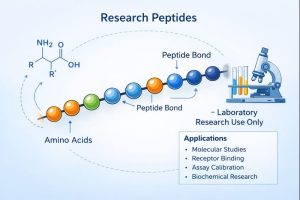
Selecting the correct research peptide is a critical step in designing reliable laboratory experiments. With many peptides available — varying in sequence, purity, and formulation — understanding how to choose the right one helps improve reproducibility, reduce experimental error, and maintain RUO compliance.
This guide outlines key factors researchers should consider when selecting peptides for laboratory research.
Start With Your Research Objective
The first step in peptide selection is defining your experimental goal. Different peptides are designed for different types of laboratory studies.
- Receptor interaction and binding studies
- Pathway modeling and signaling research
- Analytical assay validation
If you are new to peptide research, begin with:
Research Peptides Explained.
Single Peptides vs. Peptide Blends
Researchers often choose between individual peptides and peptide blends depending on study design.
Single Peptides
Single peptides offer greater control over experimental variables and are preferred for mechanistic studies.
Peptide Blends
Blends combine multiple peptides in one formulation and are commonly used for exploratory or comparative research.
Example RUO materials include:
BPC-157 and
GHK-Cu.
Purity Requirements Matter
Peptide purity directly affects experimental reliability. Higher purity peptides reduce background noise and variability.
Learn how purity impacts research outcomes here:
Peptide Purity Grades Explained.
Choosing the Right Purity Level
- 95% – exploratory or screening research
- 98% – receptor and binding assays
- 99%+ – high-precision analytical studies
Verify Analytical Testing
Always confirm that peptides include analytical validation such as HPLC and mass spectrometry.
For a breakdown of testing methods, see:
How Peptide Purity Is Measured.
Consider Stability and Storage
Storage conditions can impact peptide integrity over time. Stability considerations should align with experimental timelines.
Additional guidance:
Peptide Stability Studies.
Avoid Common Selection Mistakes
Many researchers encounter issues due to improper peptide selection rather than experimental design.
Common pitfalls include:
- Selecting insufficient purity levels
- Ignoring stability requirements
- Using undocumented materials
See common errors here:
Common Lab Mistakes That Affect Peptide Purity.
External Scientific References
Conclusion
Choosing the right research peptide requires aligning experimental goals with purity, analytical validation, and stability considerations. By following a structured selection process, laboratories can improve data quality while maintaining strict RUO compliance.
RUO Reminder: This content is for educational and laboratory research purposes only and does not constitute medical guidance.